Period Pe Charcha: Breaking the Silence Around Menstrual Health Education
Why Menstrual Health Education Matters
Menstruation is a normal biological process, yet in many parts of India it is still treated as secret, shameful or “dirty”. This silence around periods can lead to:
- Poor menstrual hygiene practices
- Missed school days for girls
- Low self-esteem and anxiety
- Deep-rooted gender inequality
Period Pe Charcha is Ladli Foundation’s call to openly talk about periods, challenge harmful myths and make menstrual health education accessible to every girl, woman and person who menstruates.
Menstrual health education is not only about biology. It is about dignity, rights and equality. When girls understand their bodies and have access to safe products and supportive environments, they are more likely to continue their education and participate fully in society.
Menstruation 101: A Normal Body Function, Not a Taboo
Menstruation is the monthly shedding of the uterine lining, usually lasting 3–7 days. It is a sign of a healthy reproductive system.
However, due to stigma and lack of information, many girls in India grow up:
- Fearing their first period
- Believing they are “impure” during menstruation
- Lacking access to sanitary pads or hygienic facilities
Normalising periods through menstrual health education in schools and communities is essential to protect health, education and basic human rights.
Common Myths About Periods in India – and the Facts
-
Myth: Menstruation is a sign of impurity
Fact: Menstruation is a natural and healthy part of the reproductive cycle. It is not a curse, punishment or sign of being unclean.
Impact of this myth- Girls and women are excluded from religious spaces and family functions
- Menstruating individuals face discrimination and shame
- Scientific facts about the menstrual cycle
- The message that periods are normal, not impure
-
Myth: Women should not cook, pray or touch certain items during their period
Fact: There is no medical reason to restrict daily activities during menstruation unless someone is in pain or unwell.
Impact- Reinforces the idea that women’s bodies are “dirty”
- Isolates girls and women in their own homes
- Families and communities should review customs that exclude menstruating women
- Religious and community leaders can help promote respectful practices
-
Myth: Girls should avoid exercise during periods
Fact: Light to moderate exercise can reduce cramps, improve mood and ease bloating.
Impact- Girls stop participating in sports and physical activities
- Period pain can feel worse due to inactivity
- Encourage walking, stretching or yoga during periods
- Include menstrual health information in school sports programmes
-
Myth: Menstrual blood is dirty or toxic
Fact: Menstrual fluid is mostly blood and uterine tissue. With regular washing and safe product use, it is not more “dirty” than other body fluids.
Impact- Creates shame and disgust around menstruation
- Prevents open discussions about sanitary pads, cloth use and safe disposal
- Basic reproductive anatomy
- How to use and dispose of sanitary products safely
- When to seek medical help for irregular or painful periods
-
Myth: Talking about periods will encourage girls to become sexually active
Fact: Age-appropriate menstrual health education improves safety and awareness. It does not promote early sexual activity.
Impact- Adults avoid the topic completely
- Girls get information from unreliable sources
- Children are more vulnerable to abuse and exploitation
- Frame menstruation lessons as health and hygiene, not as a taboo subject
- Train teachers and parents to answer questions calmly and honestly
-
Myth: Only women and girls need to learn about menstruation
Fact: Men and boys are key allies in ending period stigma. Their understanding can prevent teasing, bullying and discrimination.
Impact of excluding boys- Boys rely on jokes and misinformation
- Silence makes periods seem shameful and secret
- Sessions for both girls and boys in schools
- Father, brothers and male teachers speaking positively about menstrual health
- Mixed-gender campaigns that normalise the topic
Menstrual Health Education in Schools: The Missing Chapter
In many schools, menstruation is either skipped, rushed or treated as an awkward topic. Yet school is one of the most powerful places to deliver menstrual hygiene awareness.
When schools provide proper menstrual health education:
- Girls are prepared for menarche (their first period)
- Boys learn to be supportive instead of mocking
- Teachers can correct myths before they become fixed beliefs
Simple steps schools can take include:
- Integrating menstrual hygiene into health and science lessons
- Ensuring access to toilets, water and sanitary pads
- Allowing girls to manage periods with privacy and dignity
Menstrushala: Ladli Foundation’s Menstrual Health Programme
To close the gap in menstrual health education in India, Ladli Foundation launched Menstrushala – a dedicated menstrual health and hygiene programme.
Project MENSTRUSHALA implements a holistic approach, recognizing that lasting change requires more than mere distribution of menstrual products—it demands comprehensive education, infrastructure, and continuous engagement.
Through Menstrushala, Ladli Foundation:
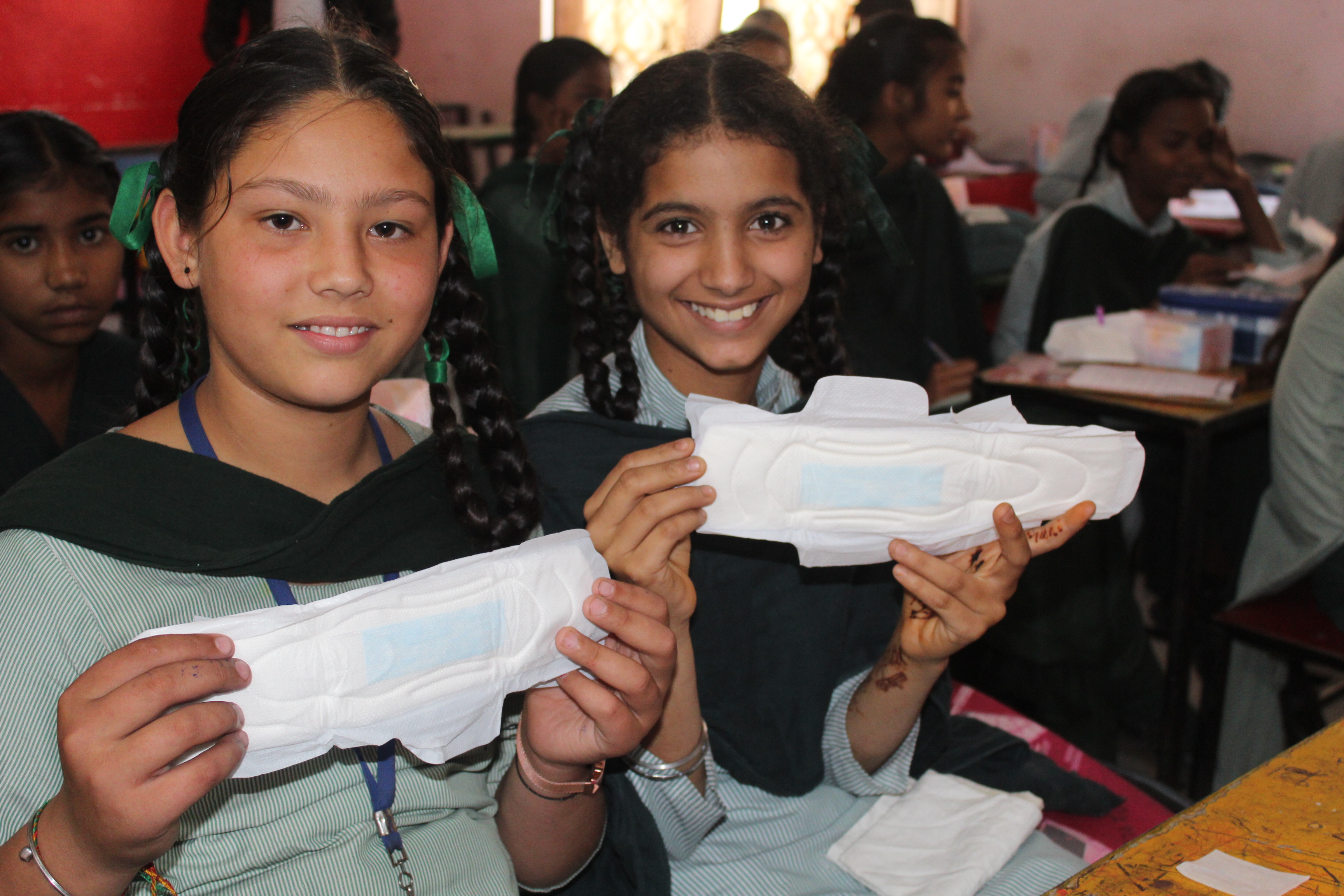
- Conducts interactive menstrual health sessions in schools and underserved communities
- Provides accurate, age-appropriate menstrual education using simple language and visuals
- Distributes sanitary products and explains their correct use and disposal
- Engages men and boys alongside women and girls to build empathy and support
- Partners with local stakeholders such as teachers, community leaders and health workers
Learn more: Menstrushala – Ladli Foundation Initiative
Menstrushala supports the vision of Period Pe Charcha – making conversations about periods open, factual and stigma-free.
How Communities Can Support Menstrual Hygiene Awareness
Everyone has a role in promoting menstrual health education in India. Parents, teachers, health workers and community leaders can:
- Talk openly about periods at home and in schools
- Use correct terms like “menstruation” and “period” instead of shame-based language
- Promote hygienic practices such as using clean products and changing them regularly
- Ensure safe disposal of pads and other products to protect both health and the environment
- Support girls’ education by ensuring they do not miss school during their periods
By working together, communities can create safe, respectful spaces where girls feel confident managing their menstrual health.
FAQ: Menstrual Health Education in India
Why is menstrual health education important in India?
Menstrual health education in India is crucial to reduce period stigma, improve menstrual hygiene practices, and prevent girls from dropping out of school due to shame, pain or lack of facilities.
At what age should girls learn about menstruation?
Ideally, girls should receive basic information about menstruation before their first period, typically between 9–12 years. This helps them feel prepared, not afraid.
Should boys also learn about periods?
Yes. Teaching boys about periods reduces teasing and bullying, builds empathy and helps create a supportive environment at home, in school and in the community.
What are some basic menstrual hygiene practices?
- Use clean sanitary pads or a cloth
- Change products every 4–6 hours
- Wash the genital area with clean water
- Dispose of used products safely
How does Ladli Foundation support menstrual health?
Through initiatives like Period Pe Charcha and Menstrushala, Ladli Foundation provides menstrual health education, sanitary products, and community awareness programmes to promote dignity, hygiene and equality.
Conclusion: Keep Period Pe Charcha Alive
“Period Pe Charcha” is more than a slogan. It is a movement to ensure that no girl in India feels ashamed of her body or misses school because of her period.
By promoting menstrual health education, improving access to hygiene products and involving both girls and boys in the conversation, we can build a future where menstrual health is recognised as a basic right, not a taboo.
The more we talk, teach and listen, the closer we get to an India where every period is managed with knowledge, dignity and confidence.
Written by
Archit Aggarwal