Menstrual Health & Dignity Initiative
Need
Millions of girls in India continue to face barriers to safe menstrual hygiene due to poverty, social stigma, lack of awareness, and inadequate sanitation facilities. Poor menstrual hygiene contributes to school absenteeism, reproductive health infections, low confidence, and social exclusion among adolescent girls.
Marginalised communities often lack access to trusted health information and affordable menstrual products. Without intervention, these gaps continue to reinforce gender inequality, educational disruption, and poor health outcomes among vulnerable girls and women.
Objective
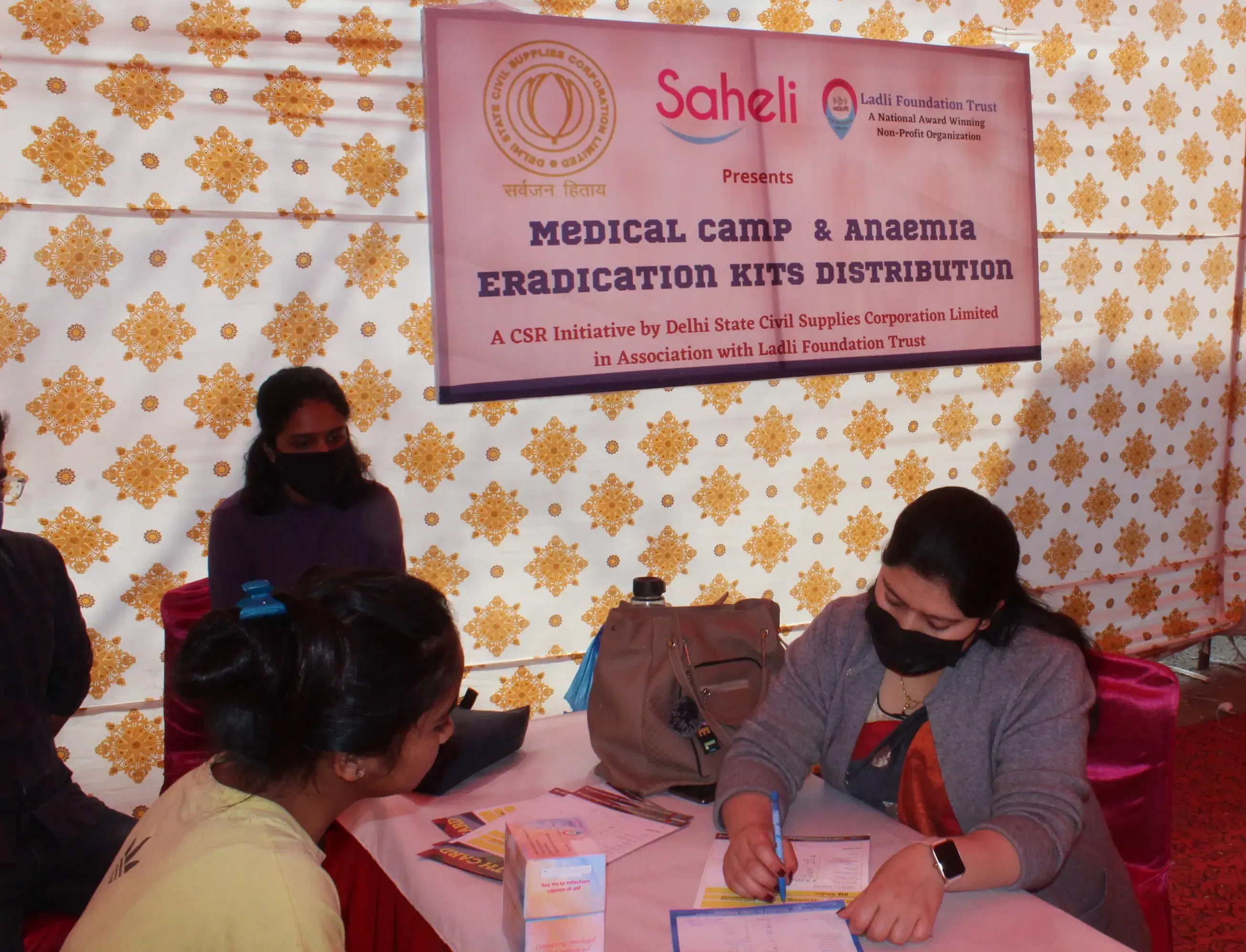
The Menstrual Health & Dignity Initiative aims to improve menstrual hygiene awareness, access to sanitary products, reproductive health literacy, and dignity for adolescent girls and women living in vulnerable communities.
Tools/Activities
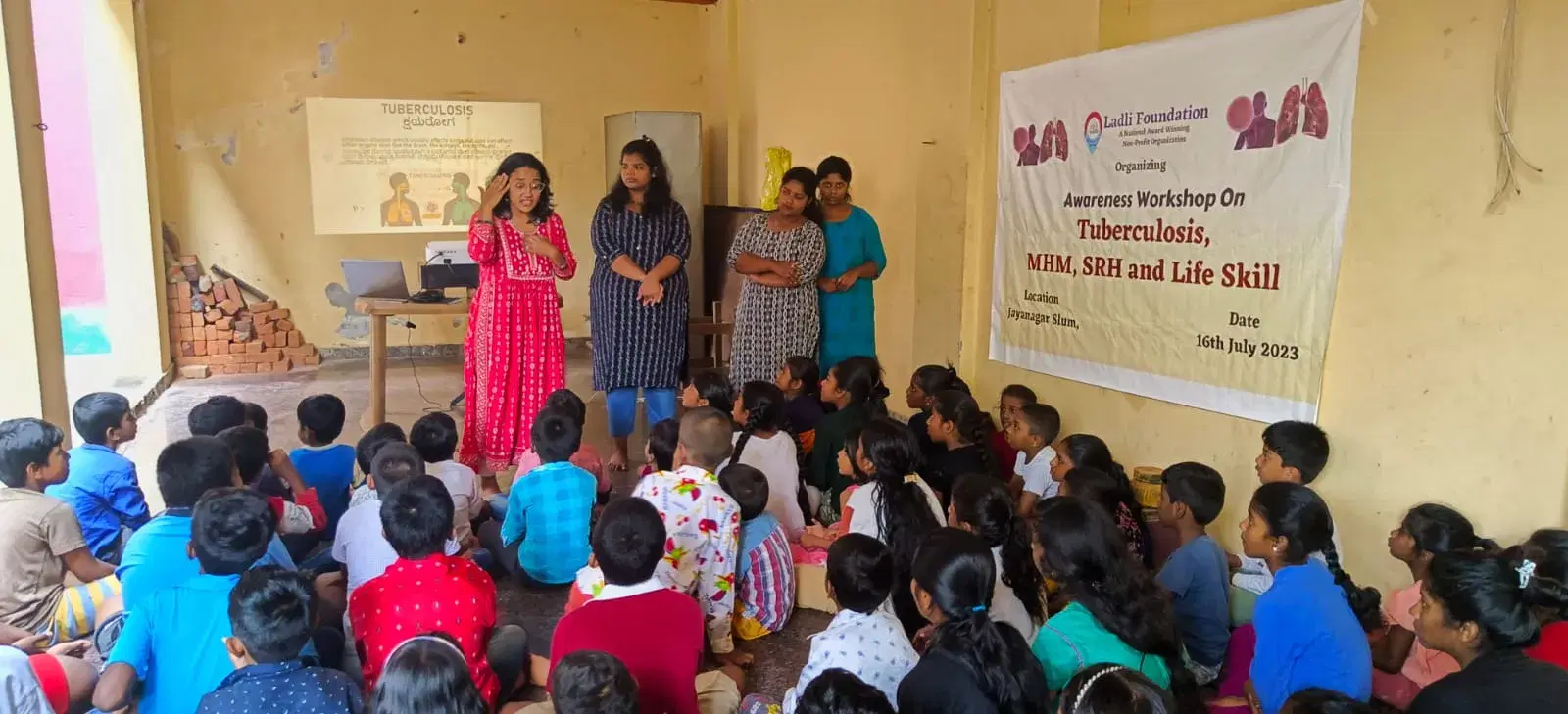
Through school sessions, community outreach, peer educators, and behaviour change campaigns, the program seeks to break social stigma surrounding menstruation while improving health outcomes and school retention among adolescent girls.
Intervention Strategy
The initiative combines awareness generation with access interventions including menstrual hygiene kits, counselling support, school sanitation advocacy, and community mobilisation involving parents, teachers, and local influencers. It has special focus on girls in slums, tribal belts, and low-income settlements where menstrual health continues to remain neglected.
Theory of Change
If adolescent girls and women receive accurate menstrual health education, safe hygiene products, access to sanitation facilities, and community support systems, they are more likely to experience improved health, dignity, confidence, and educational continuity. Over time, this contributes to greater gender equality, improved wellbeing, and enhanced participation of women and girls in education and society.